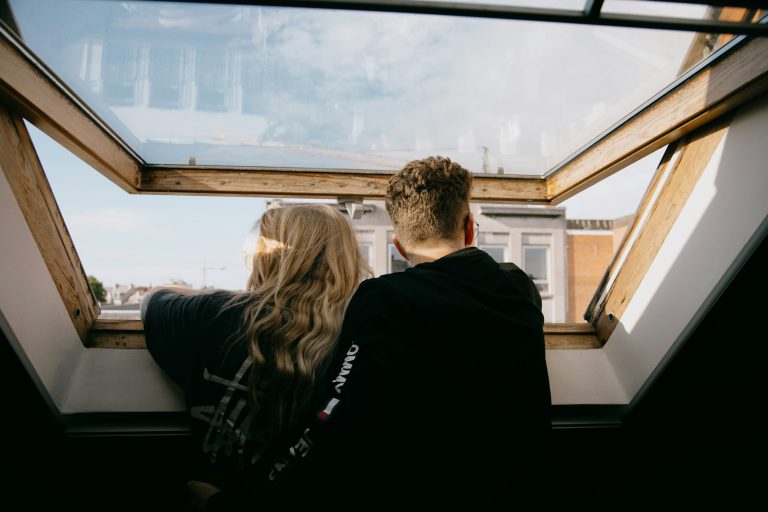

The Art of the Small Return
There is a moment between the front door closing and the evening beginning. Shoes come off, bags land, a phone lights up, someone asks what is for dinner. It is easy to move through that moment without actually arriving.
A small return is a deliberate pause in that gap. It says: I am home, and I am now here with you.
The ninety-second landing
Keep it shorter than you think. Ninety seconds is enough. Put your bag down. Take off your coat. Find your partner, or call out to them, and make contact before you start solving anything.
Try three steps:
- **Stop.** Do not walk in while finishing a work call or scrolling.
- **Notice.** Look at them. If touch is welcome, put a hand on their arm or give a brief hug.
- **Say one true thing.** "Long day. I am glad to see you." "I smell dinner. Thank you." "I need ten minutes, then I want to hear about your day."
The last example matters. A return does not have to be warm and available. It can be honest about what you need, as long as it includes the other person.
Different schedules, same idea
If one of you works nights, the return may happen in the morning. If one of you is already home with children, the return may be the moment the other parent takes over. If you work from home, the commute is only a hallway, which can make the transition harder, not easier.
Choose the moment that functions as your front door. It might be the end of a shift, the school pickup, or the point where the laptop closes. The ritual is not about the physical door. It is about marking a change.
What gets in the way
The biggest obstacle is the mental list. You walk in already thinking about the next task, and the person in front of you becomes another item. The second obstacle is the assumption that presence is obvious. It is not. Being in the same house while mentally still at work feels different to the person waiting.
If you need to decompress, say so clearly and give a time. "I need fifteen minutes to myself, then I am yours" is a return ritual too. What does not work is disappearing without a word and reappearing at dinner.
For the person who is already home
Try not to greet your partner with the full inventory of the day. Save the logistics for after the landing. A simple "You are home" is enough. If you have been waiting for relief, say that too: "I am glad you are back. I need a minute to myself as well."
Both people are allowed to need a transition. The ritual is not one person performing availability for the other. It is a shared agreement that the change of mode matters.
When you miss it
Some evenings will be a mess. Someone is late, a child is crying, the dog has escaped. Do not turn the missed return into a referendum on the relationship. Repair later: "I came in like a tornado tonight. Can we try that again?"
A small return is not a test of love. It is a way to stop the day from carrying you past each other.
Try it tonight
Agree on a signal. A knock on the doorframe, a particular hello, a hand on the back. Use it for one week without adding any other relationship homework. At the end of the week, ask whether the evenings feel different. If they do not, adjust the ritual rather than abandoning it.